










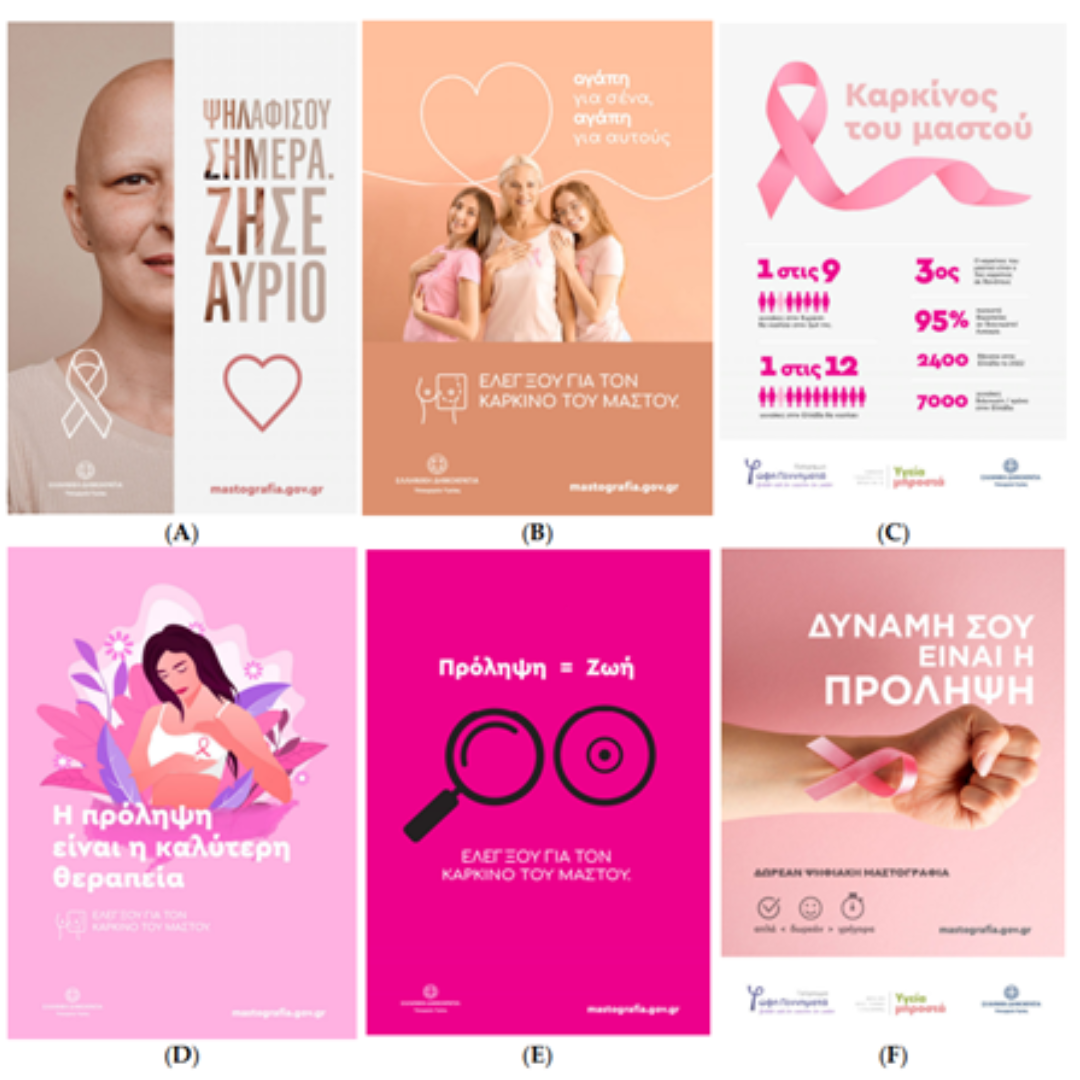
Breast cancer accounts for almost 30% of all cancer cases in women each year. Screening saves lives, but women over 40 often put it off. A new study in Athens has shown that we make health decisions not with logic, but with emotions.
What was the study about?
78 women, aged 40–68, were shown six different advertisements about the need for screening. These advertisements were built on fear, hope and neutral information. In parallel, the researchers measured emotions and physiological reactions.
The conclusion of the study is simple: advertisements with fear and a clear call to action worked best.
Why does fear motivate us to act?
Negative emotions, including fear, can be associated with threat and bad consequences. And it is the desire to avoid these bad consequences that motivates us to act.
Women who watched these ads noted:
- increased attention to important words and images;
- thoughts about risks (“this could happen to me”, “treatment is expensive”, “I am at risk”);
- a desire to get tested.
The fear they could feel kept their attention and increased awareness of the problem.
When does fear not work?
Yes, it helps to attract attention, but if it is used in every advertisement, and in excessive quantities, it begins to work the opposite way. People simply do not want to watch such advertising.
Therefore, for its use to be effective, you must remember:
- a simple plan of action,
- a clear call to action,
- an emphasis on the fact that the action is available.
Conclusion
Health advertising should not be entertaining. It should be catchy. But it is worth remembering that fear and negative emotions work only when they are accompanied by hope and a clear course of action.
Such a balance turns the advertising message into a powerful motivator that does not scare, but helps to make the most important decision – to take care of yourself!